


Four Places Programs Leave Performance Behind
MOST PERFORMANCE GAPS OCCUR IN THE SAME AREAS
Where Programs Lose Momentum
Most performance gaps emerge in the same areas, even when the underlying causes differ. Staffing, process, technology, and program culture can all play a role. These are the four areas where we most often help programs improve performance across the transplant workflow.

Referral Pipeline
Eligible patients lost before they ever reach your coordinator. Fax-based intake, incomplete evaluations, and paperwork sitting in a queue compound silently. By the time a coordinator picks up a referral that arrived two days ago, the clinical window may have narrowed for transplant eligibility and listing.
We digitize and automate intake so eligible patients reach your team faster, with everything needed to move forward already in place. Every referral converts into a trackable, transparent process from intake to listing decision.

Inactive Waitlist
An inactive patient isn't just paperwork. It's a transplant still within reach. A program with 300 patients and a 25% inactive rate is effectively operating with a list of 225. Every percentage point you bring down expands the pool for the next offer.
We track readiness status, trigger proactive outreach before tests expire, and keep your active list as large as it can sustainably be, using the Patient Management Platform to support waitlist management workflows. Turnover resets progress at the worst moments. We keep readiness visibility through transitions.

Offer Decision Window
The most common place transplant opportunity is lost is between offer arrival and decision. Programs that perform best are not necessarily making different clinical decisions. They are making them faster, with better information. Conservative acceptance patterns often reflect information flow as much as clinical preference.
Powered by LENS™ and automated virtual crossmatch, we organize offer data the way surgeons think through it and coordinate every case from acceptance through OR scheduling to reduce delays in offer decision-making.

Logistics and Cold Time
Every unnecessary hour between procurement and transplant adds risk. That makes logistics a clinical priority, not an afterthought. We coordinate organ transport with a national carrier network, already embedded in the coordination process to reduce cold ischemia time.
There is no gap between coordination and transport. Every movement is visible, tracked, and managed in real time. Because logistics are integrated into the workflow from the start, teams spend less time coordinating and more time focused on the transplant itself.
Why Choose Buckeye?
We customize our solutions to meet your program’s needs. That means that you won’t need to commit to a one-size-fits-all model. You can integrate our tech with your team or work with our transplant coordinators to extend your capacity. Our approach supports both established and emerging centers, helping you reduce friction and continue delivering exceptional outcomes in transplant program performance.
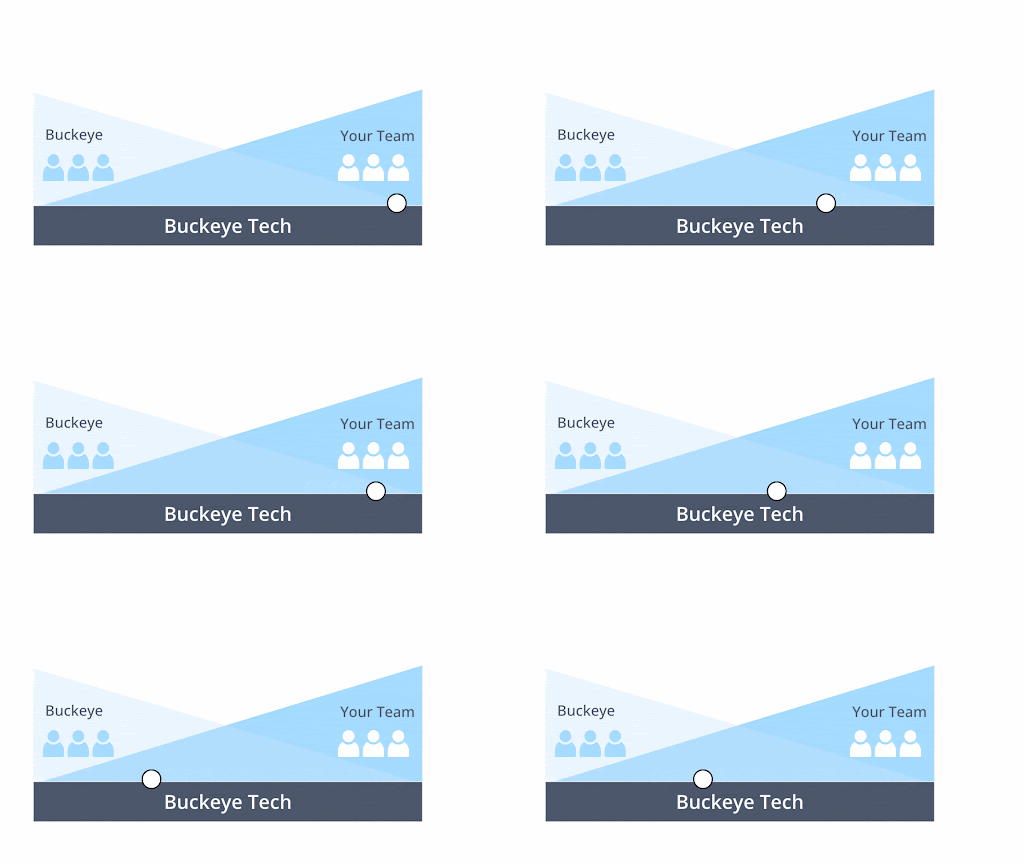
Whether you choose our technology, our services, or a combination of both, Buckeye provides the expertise, infrastructure, and reliability transplant programs need to reduce operational burden and improve performance across referral, waitlist, offer, and logistics workflows.
Financial Sustainability and Cost Recovery
Every decision in transplant care carries both clinical and financial impact. Many of the pre-transplant activities we support qualify as reimbursable organ acquisition costs, helping your program recover a significant portion of expenses through CMS cost reports. With transparent pricing, clear documentation, and expert guidance, we make it easier for your team to track qualifying services, streamline cost reporting, and strengthen your program’s financial performance and long-term stability in transplant operations finance and reimbursement workflows.
Which Gap is Costing Your Program the Most?
We can show you with your data before the first engagement begins using your transplant workflow and performance metrics.